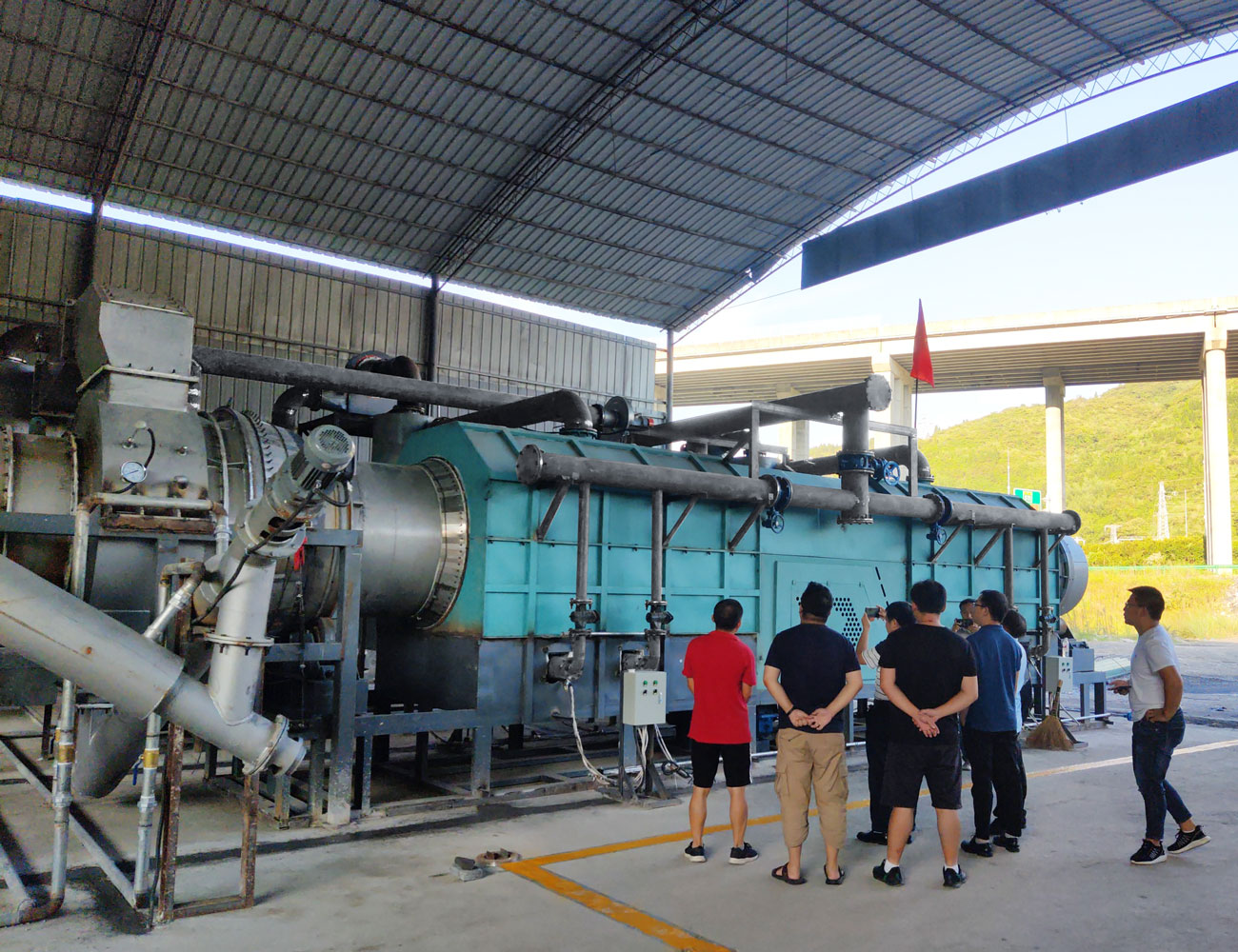
A machine for making charcoal relies on a stable and well-defined feedstock supply to achieve predictable carbonization behavior. Feedstock characteristics directly influence thermal decomposition efficiency, calorific value, production rate, and the mechanical stability of the final biochar. Selecting the correct biomass is therefore a technical decision that determines operational performance, cost structure, and long-term sustainability.
Wood-Based Feedstock for Controlled Carbonization
Wood feedstock remains the most standardized material used in a wood charcoal machine. Its uniform lignocellulosic structure enables consistent devolatilization and yields high fixed-carbon content. Hardwood species—such as oak, beech, and acacia—typically exhibit higher density, which supports longer carbonization cycles and improved calorific value. Softwood species carbonize more rapidly due to elevated resin levels, though they may generate more condensable volatiles. Moisture levels should remain below 15% to maintain thermal equilibrium and reduce energy input requirements during pre-drying.
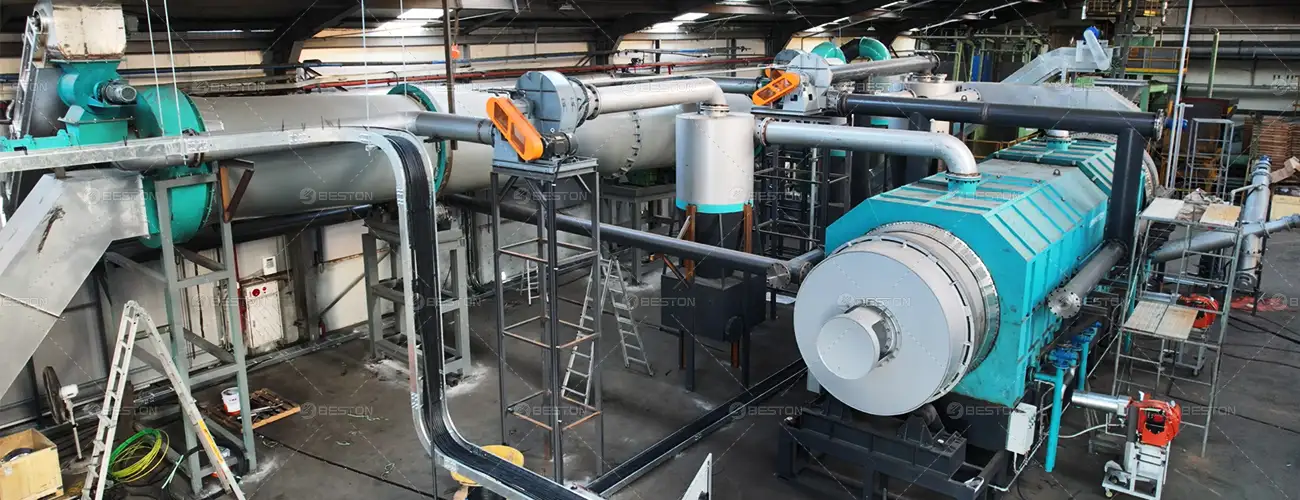
Coconut Shell Feedstock for High-Density Charcoal
A coconut shell charcoal machine benefits from the naturally rigid and highly lignified structure of coconut shells. This feedstock produces a charcoal with elevated strength, low ash content, and excellent adsorption capabilities. It is also known for generating a high percentage of fixed carbon due to its robust microporous structure. Feedstock should be thoroughly cleaned to eliminate residual fiber and soil contaminants, which can otherwise alter the thermal decomposition curve and reduce equipment throughput.

Palm Kernel Shell Feedstock for Industrial-Grade Carbon Output
Palm shell feedstock, when processed through a palm shell charcoal machine, provides an abundant and energy-dense biomaterial for large-scale facilities. Palm kernel shell offers uniform granularity, low moisture, and notable calorific intensity. Its carbonization profile is typically stable, making it suitable for facilities aiming for continuous operation. To prevent slag formation, feedstock should be screened to remove stones and metallic impurities often present in bulk agricultural residues.
Agricultural Residues as an Auxiliary Feedstock Stream
Certain agricultural residues—such as rice husk, corn cob, and nut shell—serve as supplementary materials that can support diversified feedstock sourcing. Their low bulk density allows rapid pyrolytic decomposition, though the resulting charcoal often carries higher ash content. Operators using a machine for making charcoal should evaluate these residues through proximate analysis to ensure compatibility with reactor design, heating rate, and discharge systems. Uniform particle size enhances thermal transfer and prevents channeling within the reactor bed.
Criteria for Evaluating Feedstock Suitability
Key parameters to consider include moisture content, volatile matter, lignin proportion, ash composition, and structural density. Higher lignin typically correlates with superior charcoal strength, while excessive ash can degrade product quality and obstruct downstream processing. Feedstock availability, logistics, and seasonality also influence economic feasibility. A stable and geographically accessible supply chain minimizes operational disruptions and reduces per-ton production cost.
Final Considerations for Operational Efficiency
Reliable feedstock selection underpins the efficiency and longevity of charcoal manufacturing systems. Whether using wood material, coconut shell, palm kernel shell, or agricultural residues, each biomass exhibits unique thermo-chemical behavior that affects carbonization kinetics and charcoal quality. Systematic feedstock evaluation ensures that a wood charcoal machine, coconut shell charcoal machine, and palm shell charcoal machine operate at their optimal performance threshold, supporting high-value charcoal output and stable industrial productivity.